Imagine spending months, even years, pouring your heart, soul, and hard-earned capital into developing a brilliant new SaaS product, only to launch it into the market and be met with a resounding silence. No sign-ups. No sales. Just the crushing realisation that you’ve built something nobody actually wants or needs. It’s a nightmare scenario, and sadly, it’s far more common than you might think in the fast-paced world of tech entrepreneurship. The good news? This dire fate is largely avoidable through a foundational, yet often overlooked, practice: customer discovery. For any entrepreneur embarking on the ambitious journey of building a SaaS product, understanding your potential users inside and out isn’t merely an advantage; it’s an absolute necessity. It’s the difference between guessing your way to failure and building a truly indispensable solution that resonates deeply with its audience.
In this comprehensive guide, we’ll delve into the strategies for effective customer discovery, providing you with a robust framework to validate your ideas, refine your product vision, and ultimately, build a SaaS offering that thrives. We’ll explore what it truly entails, the methods you can employ, and the common pitfalls to steer clear of, all designed to help you unearth the invaluable insights that will fuel your success.
What Exactly is Customer Discovery? (And Why It’s Non-Negotiable for SaaS)
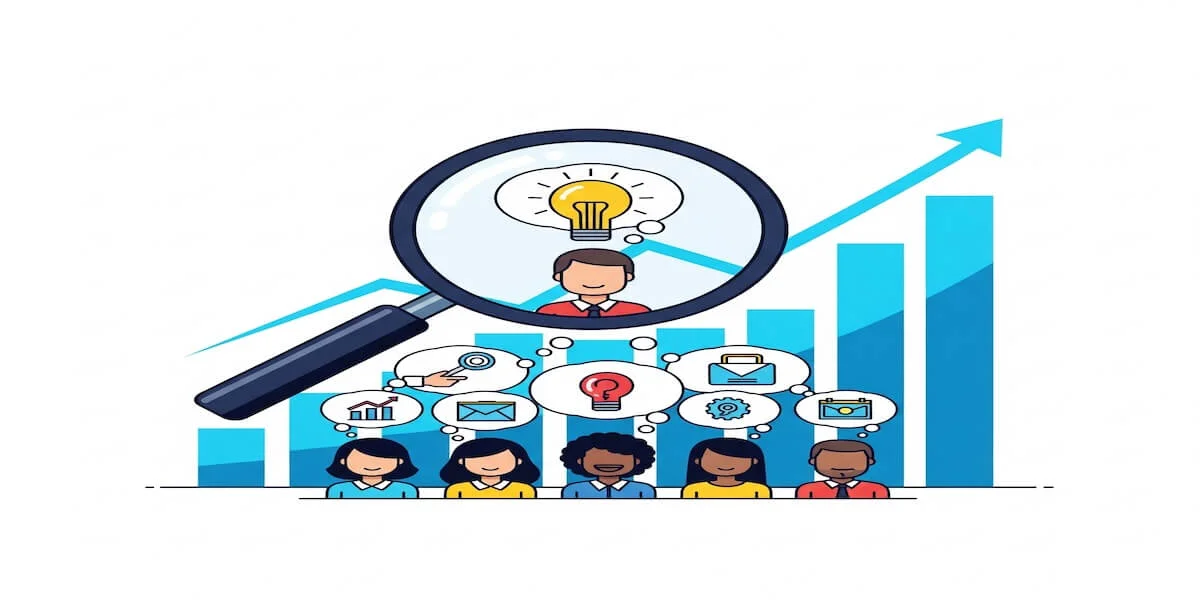
At its heart, customer discovery is the systematic process of interviewing and observing potential users to understand their problems, needs, and workflows, independent of any preconceived solutions. It’s about stepping outside your own assumptions and biases and genuinely listening to the market. This isn’t just about sending out a quick survey; it’s about deep, empathetic engagement aimed at unearthing the underlying motivations and frustrations that your product could potentially address.
For SaaS product development, the stakes are particularly high. Unlike a physical product where you might have immediate upfront sales, SaaS relies on recurring revenue, meaning users must find consistent, ongoing value. This demands a powerful product-market fit from the outset. Building software is an expensive and time-consuming endeavour. Without thorough customer discovery, you risk:
-
Building the wrong features: Focusing on what you think users need rather than what they actually struggle with.
-
Misunderstanding your target audience: Leading to ineffective marketing and sales strategies.
-
Wasting development resources: Chasing a problem that doesn’t exist or isn’t painful enough for users to pay to solve.
-
Delayed product-market fit: Prolonging the journey to profitability or even leading to outright failure.
Customer discovery is not merely market research; while market research provides a broad overview of trends and demographics, customer discovery dives into the granular details of individual user experiences. It seeks to answer not just ‘who’ your customers are, but ‘why’ they do what they do, ‘what’ their biggest pain points are, and ‘how’ they currently try to solve them (even if poorly).
The Pillars of Effective Customer Discovery
Embarking on customer discovery might seem daunting, but by following a structured approach, you can maximise your chances of gaining truly actionable insights.
1. Formulating Hypotheses: Start with Smart Guesses
Before you even speak to a single potential customer, you need to articulate your initial assumptions about the problem you’re solving, who experiences it, and how your proposed solution might help. These are your hypotheses. Examples might include:
-
“We believe small businesses struggle with managing their social media content across multiple platforms.”
-
“We hypothesise that remote teams find it difficult to maintain effective asynchronous communication.”
-
“We assume that freelancers waste too much time chasing invoices and managing payments.”
These hypotheses serve as a starting point for your interviews and observations. The goal of your customer discovery efforts is to either validate (prove true) or invalidate (prove false) these hypotheses, allowing you to iterate and refine your understanding.
2. Identifying Your Ideal Customer Profile (ICP): Know Who You’re Talking To
It’s tempting to try and appeal to everyone, but for a SaaS product, niching down, especially early on, is critical. Define your Ideal Customer Profile (ICP). This goes beyond basic demographics. Think about:
-
Psychographics: Their attitudes, values, interests, and lifestyles.
-
Pain Points: What are their biggest frustrations, challenges, or unmet needs related to the problem you’re addressing?
-
Daily Routine/Workflow: How do they currently operate? Where does your potential solution fit in?
-
Tools They Currently Use: What existing software or methods do they employ (even if they’re suboptimal)?
Creating detailed user personas based on your ICP can be incredibly helpful. These fictional, yet data-driven, representations of your ideal users will guide your customer discovery efforts and ensure you’re speaking to the right people.
3. Crafting the Right Questions (It’s an Art, Not a Science)
The quality of your insights directly correlates with the quality of your questions. When conducting customer discovery interviews, avoid leading questions and focus on open-ended enquiries that encourage detailed narratives.
Do:
-
Focus on past behaviour: “Tell me about a time when you struggled with X.” Past actions are strong indicators of future needs.
-
Ask about current processes: “How do you currently manage Y?” “Walk me through your typical workflow for Z.”
-
Explore pain points and emotions: “What’s the most frustrating part about doing A?” “How does that make you feel?”
-
Use the ‘5 Whys’ technique: When someone states a problem, keep asking “Why?” to get to the root cause.
-
Silence is golden: Allow interviewees time to think and elaborate.
Don’t:
-
Ask about future behaviour: “Would you use a product that does X?” (People often say yes but don’t follow through).
-
Pitch your solution: You’re there to learn, not to sell.
-
Ask leading questions: “Don’t you agree that X is a problem?”
-
Ask yes/no questions predominantly: They limit the depth of information.
Remember, you’re looking for stories, not just data points. These narratives will reveal the true extent of the problem and the context surrounding it.
4. Choosing Your Customer Discovery Methodologies
There are several effective ways to conduct customer discovery, and often, a combination yields the best results.
-
In-depth Interviews: The cornerstone of customer discovery. One-on-one conversations (in-person, video call, or phone) allow for deep dives into user experiences.
-
Where to find interviewees: LinkedIn (search for your ICP, leverage connections), niche online communities (forums, Slack groups, Reddit), industry events, or even warm introductions from your network.
-
Conducting the interview: Be prepared with your questions but be flexible. Listen far more than you speak. Take meticulous notes or, with permission, record the session for later analysis.
-
-
Observation: Sometimes, what people say differs from what they do. Observing potential users in their natural environment can uncover unspoken needs and workflow inefficiencies. This could involve shadowing someone, or even conducting early usability tests with very basic prototypes (even paper mock-ups).
-
Surveys (with caveats): While less effective for deep qualitative insights, surveys can be useful for validating widespread pain points once you’ve gained initial insights from interviews. Use them to quantify problems you’ve already identified. Keep them short, focused, and include a mix of question types, favouring open-ended responses where possible.
-
Competitor Analysis (from a customer perspective): Explore reviews of existing solutions in your target market. What are customers complaining about? What features are missing? What are their biggest frustrations with current offerings? This can highlight gaps and opportunities for your SaaS product. Look at review sites, social media comments, and industry forums.
5. Analysing and Synthesising Your Findings
Once you’ve collected a wealth of information, the real work begins: making sense of it all.
-
Look for patterns and themes: What common pain points emerged? What similar language did people use to describe their struggles?
-
Affinity mapping: Write down key insights from each interview on sticky notes and group similar themes together. This visual method can help you identify recurring patterns.
-
Validate or invalidate hypotheses: Did your initial assumptions hold true? Where were you wrong? Adjust your hypotheses based on the evidence.
-
Prioritise pain points: Not all problems are equal. Which ones are the most frequent, most severe, or most expensive for your potential users? Focus on the “hair-on-fire” problems that users are actively seeking solutions for.
This synthesis process will refine your understanding of the problem space and directly inform your product’s value proposition and feature set.
Common Pitfalls to Avoid When Discovering Customers
Even with the best intentions, it’s easy to stumble during customer discovery. Be mindful of these common traps:
-
Talking only to friends and family: While supportive, they often won’t provide the unbiased, critical feedback you need. Seek out strangers who fit your ICP.
-
Selling your solution too early: Resist the urge to describe your product. Your goal is to understand their problems, not to get validation for your idea.
-
Not listening actively enough: Don’t just wait for your turn to speak. Truly listen to understand, ask follow-up questions, and observe non-verbal cues.
-
Cherry-picking data: It’s human nature to seek confirmation, but you must be honest about disconfirming evidence. Acknowledge and learn from data that contradicts your beliefs.
-
Stopping too soon: Customer discovery isn’t a one-and-done activity. The market evolves, and so should your understanding of your customers.
Integrating Customer Discovery into Your Product Development Lifecycle
The beauty of customer discovery is that it’s not a standalone phase that you complete and then abandon. It should be an ongoing, iterative process embedded within your entire product development lifecycle.
Embrace Lean Startup principles, where you build a Minimum Viable Product (MVP) based on your validated customer insights, launch it, gather more feedback, and then iterate. This continuous feedback loop ensures your SaaS product remains relevant and valuable as it evolves. Customer insights should inform your feature prioritisation, your marketing messaging, and even your pricing strategy.
Conclusion
For any entrepreneur dreaming of building a successful SaaS product, effective customer discovery is your secret weapon. It transforms abstract ideas into concrete problems worth solving, and assumptions into validated insights. It empowers you to build not just a product, but a solution that genuinely addresses a market need, reducing risk, saving resources, and drastically increasing your chances of achieving that elusive product-market fit.
Don’t guess; discover. Invest the time and effort into truly understanding your potential customers. The gold you unearth through this process will be the bedrock of your SaaS success, paving the way for a product that not only launches but thrives in the competitive tech landscape. So, go forth, listen intently, and embark on your journey of customer discovery – your future users are waiting to share their challenges with you.
If you like what you have read and want to check out the services I offer, you can do that here or feel free to schedule a call.
